.png)

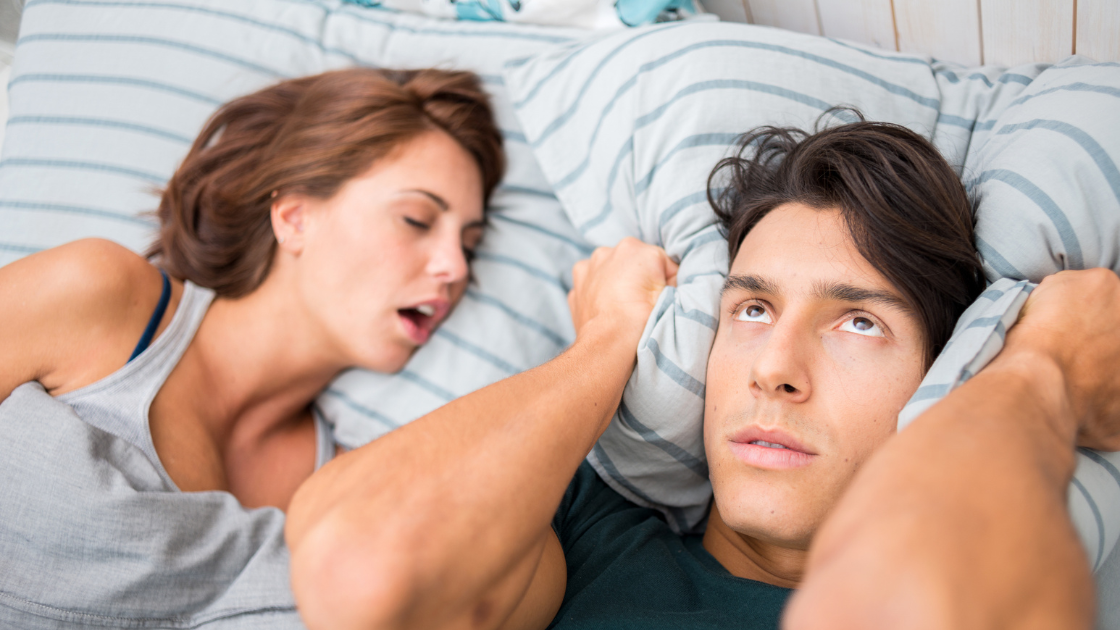
Snoring is often treated as a quality-of-life problem — annoying for the bed partner, embarrassing on a trip, but not particularly serious. That misses the bigger picture. When chronic loud snoring is part of obstructive sleep apnea, the long-term health consequences of leaving it untreated are well-documented in the medical literature. The National Heart, Lung, and Blood Institute (NHLBI) and the American Academy of Sleep Medicine have both linked untreated sleep apnea to a range of cardiovascular, metabolic, and cognitive risks worth knowing about.
Learn about snoring treatment and oral appliance therapy at our Centennial dental office →/snore-appliances
What Happens to Your Body During an Apnea Event
During an apnea event, your airway closes and breathing pauses — sometimes for 10, 20, or more seconds at a time. Oxygen levels in your blood drop. Carbon dioxide builds up. Your brain rouses you partway out of sleep to restart breathing, often without you knowing. This cycle can repeat dozens or hundreds of times a night in moderate-to-severe sleep apnea.
The body responds to each event with stress signals. Heart rate spikes. Blood pressure rises. Stress hormones are released. Over years of nightly repetition, those signals leave a measurable footprint on cardiovascular and metabolic health.
Cardiovascular Risks
The NHLBI's research-supported list of conditions associated with untreated sleep apnea includes:
• High blood pressure. Untreated sleep apnea is one of the most common causes of hard-to-control hypertension. Treating sleep apnea has been shown to lower blood pressure, even during the daytime.
• Heart disease. Higher risk of heart attack, heart failure, and coronary artery disease.
• Stroke. Untreated sleep apnea raises stroke risk through multiple mechanisms.
• Atrial fibrillation. NHLBI-supported research has shown that untreated sleep apnea increases the risk of developing atrial fibrillation, an irregular heart rhythm.
• Pulmonary hypertension. High blood pressure specifically in the arteries to the lungs.
Metabolic Risks
• Type 2 diabetes. Sleep apnea is independently linked to insulin resistance and diabetes risk.
• Gestational diabetes. NHLBI research has identified increased risk in pregnant women with untreated sleep apnea.
• Weight gain. Disrupted sleep affects appetite-regulating hormones (leptin and ghrelin), which can make weight loss harder.
Cognitive and Mood Risks
• Concentration and memory problems. The NHLBI notes that fragmented sleep can affect concentrating, remembering, decision-making, and behavior control.
• Mood changes. Irritability, depression, and anxiety are all associated with chronic sleep disruption.
• Daytime sleepiness. Excessive sleepiness affects work performance, mood, and quality of life.
Risks to Other People
• Drowsy driving. Untreated sleep apnea is a known contributor to motor vehicle accidents. Drivers with severe untreated sleep apnea have significantly higher crash rates.
• Workplace accidents. Same root cause — chronic sleep fragmentation impairs reaction time and judgment.
What the Treatment Can Do
The good news is that effective treatment is available and the body responds well to it. NHLBI-cited research has demonstrated that treating sleep apnea — whether with CPAP, an oral appliance, or other approaches — can lower blood pressure, reduce daytime sleepiness, improve concentration, and reduce risk of new-onset cardiovascular events. The earlier treatment starts, the less wear-and-tear the body has toundo.
Why People Don't Get Treated
Despite the risks, sleep apnea is widely undertreated. Many people don't know they have it. Others know but find CPAP intolerable and don't realize alternatives exist. Some delay because the testing process sounds inconvenient. The honest reality is that a home sleep test takes about ten minutes to set up, the diagnosis is made by a sleep doctor without a lab visit, and treatment options exist for virtually every patient — including oral appliances that are well-studied, comfortable, and quiet.
The Practical Takeaway
If you snore loudly and chronically, if your partner has noticed pauses in your breathing, or if you wake unrested despite a full night in bed, the next step isn't more sleep —it's a sleep study. The risks of leaving sleep apnea untreated stack up year over year. The risks of getting tested and treated are minimal by comparison.
Concerned About Your Snoring? Let's Find Out What's Going On.
Call (303) 790-9323 to schedule a consultation for a snore guard.
About the Authors
Drs. Bart & James Christiansen, DDS are brothers practicing in Centennial, CO. Bart has been practicing since 1988 and James since 2009. They offer general, restorative, cosmetic, and emergency dentistry for the whole family.


